

bedroom vanity with lights
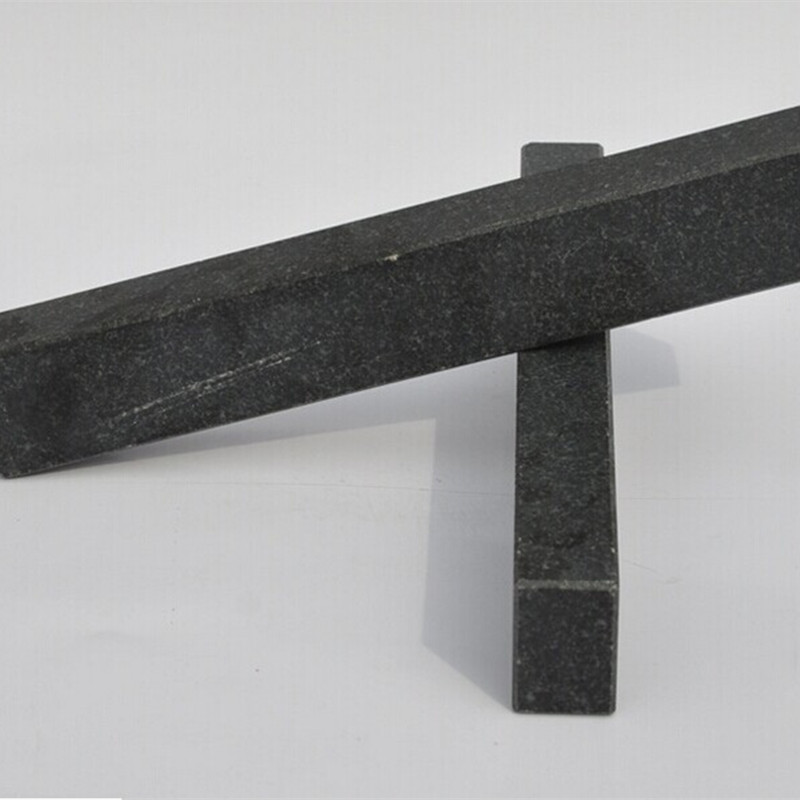
Understanding Thread Plug Gauge Prices What Affects Cost and Why It Matters Thread plug gauges are essential tools in the manufacturing and quality control sectors, playing a critical role in ensuring the accuracy of threaded components. These gauges help manufacturers assess whether their threads meet specific standards, thereby reducing the risk of defects in finished products. However, one question that often arises is what determines the prices of these gauges? In this article, we will explore the factors affecting thread plug gauge prices and highlight their significance in industrial applications. Factors Affecting Prices 1. Material Quality The materials used to manufacture thread plug gauges significantly influence their prices. High-quality steel alloys or carbide materials are often used due to their durability and resistance to wear. Gauges made from superior materials tend to last longer, leading to increased costs. Conversely, gauges made from lower-quality materials may be more affordable but may require more frequent replacements. 2. Manufacturing Precision The manufacturing process for thread plug gauges is intricate and demands a high level of precision. Companies that invest in advanced manufacturing technologies, like CNC machining and precise calibration, generally produce higher-quality gauges. This precision comes at a cost, which is reflected in the selling price. 3. Calibration and Certification For industries that adhere to strict quality standards, calibrated and certified gauges are necessary. Calibration ensures that the gauge measures correctly and meets industry standards, which can significantly increase the price. Calibration services and certifications from recognized bodies add to the overall cost of thread plug gauges. 4. Level of Customization Custom gauges designed to meet specific client requirements or unusual thread sizes often come at a premium. The necessity for bespoke solutions can lead to higher production costs due to the specialized skills and resources required. thread plug gauge price 5. Brand Reputation The reputation of the manufacturer can also impact the price. Established brands with a history of reliability and performance often command higher prices due to perceived value and trust among customers. 6. Market Demand and Competition Like any other products, supply and demand dynamics affect thread plug gauge prices. In markets where demand exceeds supply, prices may surge . Conversely, heightened competition among manufacturers can drive prices down, benefiting the end user. Why Thread Plug Gauge Prices Matter Understanding the pricing of thread plug gauges is crucial for manufacturers for several reasons. Firstly, using cost-effective gauges without compromising quality can significantly reduce operational costs. Secondly, selecting the right gauge can affect the overall quality of the manufactured products. Poor quality gauges can lead to flawed components, ultimately resulting in costly recalls or repairs. Moreover, investing in quality thread plug gauges can lead to improved efficiency in production processes. With reliable gauging tools, manufacturers can reduce the time spent on inspection and rework, thus streamlining operations and increasing profit margins. In conclusion, while thread plug gauge prices can vary significantly based on several factors such as material quality, manufacturing precision, and brand reputation, it is essential for manufacturers to prioritize quality over cost alone. An educated investment in high-quality gauges can enhance product reliability, improve manufacturing efficiency, and ultimately lead to better business outcomes. As the industry continues to evolve, understanding the nuances of thread plug gauge pricing will equip manufacturers to make informed choices that align with their operational goals.
about
bedroom vanity with lights
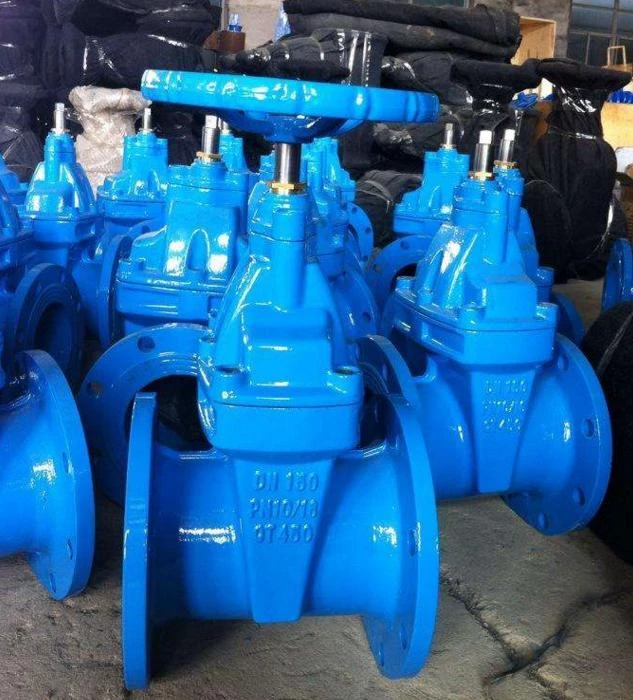
How to Turn Off a Water Valve A Step-by-Step Guide Turning off a water valve is an essential skill for homeowners and renters alike. Whether you’re dealing with a plumbing emergency, making repairs, or winterizing your home, knowing how to properly shut off your water supply can save you time, money, and prevent potential water damage. Here’s a step-by-step guide to help you through the process. Understanding the Types of Water Valves Before you begin, it’s important to familiarize yourself with the different types of water valves you might encounter in your home . The two most common types are 1. Gate Valve This valve typically has a round handle that you turn clockwise to close and counterclockwise to open. These valves can take a few turns to fully shut off the water. 2. Ball Valve This valve usually has a lever handle that you can turn a quarter turn (90 degrees) to shut off or turn on the water. They are generally quicker to operate than gate valves. 3. Angle Valve Commonly found under sinks, angle valves have a handle that you can turn to stop the water flow to specific fixtures. Step-by-Step Instructions 1. Locate the Water Valve The primary water shut-off valve for your home is usually located near the foundation where the water line enters. Additionally, individual fixtures (sinks, toilets, washing machines) will have their own shut-off valves. Ensure you know both the main valve location and the individual ones. how to turn off water valve 2. Turn off the Main Valve If you are dealing with a significant plumbing issue, it’s best to start by shutting off the main water supply. To do this, locate the main shut-off valve and turn it clockwise until it stops. You may need to use some force if the valve hasn’t been turned in a while. 3. Drain the Lines After turning off the main valve, it’s a good idea to let any remaining water in the pipes drain out. Open faucets in your home, starting from the top floor and working your way down. This helps to release pressure and ensures that your pipes are empty. 4. Test the Water Open a faucet that’s farthest from the valve you turned off to ensure that the water supply has been successfully cut off. No water should flow out if the valve has been effectively closed. 5. Address the Issue Whether you’re fixing a leak, replacing a sink, or any other task that requires the water to be off, now is the time to proceed with your work. Ensure you have the necessary tools and materials ready to complete the job. 6. Turn Water Back On Once your work is complete, it’s time to restore the water supply. Begin by slowly turning the main valve counterclockwise. After the water has been restored, check each individual fixture to make sure everything is working correctly and there are no leaks. 7. Final Check Make sure all your faucets are closed and listen for any unusual sounds from your pipes. If you hear any dripping or hissing sounds, it might indicate that a valve isn’t fully closed, and you'll need to investigate further. Conclusion Turning off your water valve might seem daunting at first, but by following these steps, you can manage your home’s plumbing needs more effectively. Regularly checking your valves and knowing how they work can prevent small issues from escalating into larger problems. Remember to maintain your plumbing system and address any potential issues promptly. By being proactive, you can ensure a safe and efficient home environment.
-

High quality industrial productsagement

High quality industrial products
View Details -

Meet the diverse needs of customers

Meet the diverse needs of customers
View Details -

Strict quality control

Strict quality control
View Details -

Top raw materials

Top raw materials
View Details -

Trusted supplier

Trusted supplier
View Details
Our application

news and information
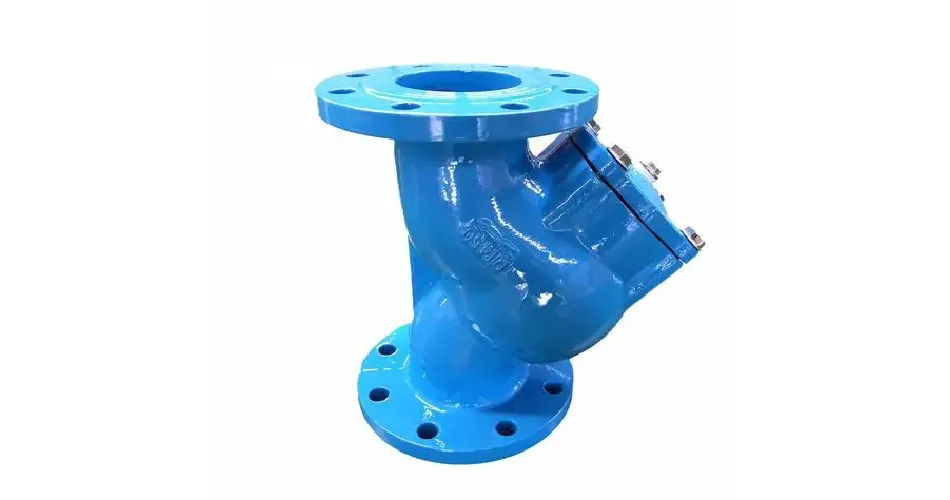
Válvula de esfera de 15 mm para aplicações industriais e residenciais
Válvula Globo de 15 mm Uma Solução Eficiente para o Controle de Fluxo As válvulas globos são compone
Wasserventil abgeschaltet
Wasserabsperrventil Notwendigkeit und Anwendung In der modernen Haustechnik spielt das Wasserabsperr
vibration pad manufacturer
The Importance of Vibration Pads in Industrial Applications In today's fast-paced industrial environ
 English